Treat Industrial Wastewater • Ensure Compliance • Protect the Environment
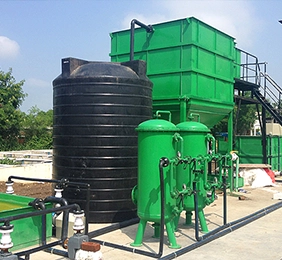
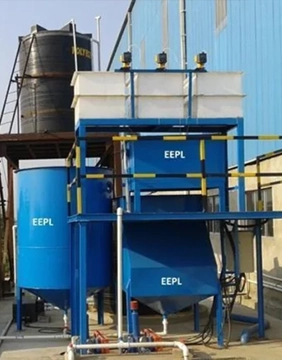
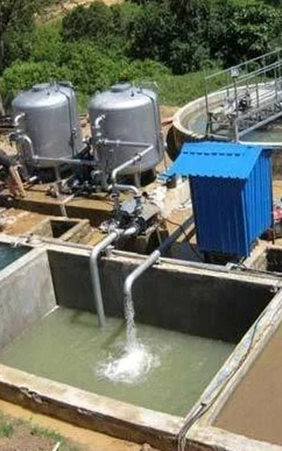
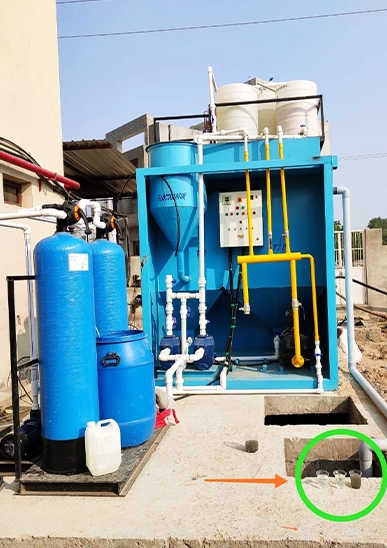
At SWAS Consultants, we provide customized, efficient, and reliable Effluent Treatment Plants (ETPs) for treating wastewater generated by industries. Our ETP systems are designed to meet pollution control norms, reduce harmful contaminants, and allow for safe discharge or reuse of treated water.
An Effluent Treatment Plant (ETP) is a wastewater treatment system used to remove organic and inorganic pollutants, heavy metals, oils, greases, chemicals, and toxic substances from industrial wastewater. Industries such as textiles, chemicals, pharmaceuticals, food & beverage, and oil refineries rely on ETPs to minimize environmental impact and meet legal discharge standards.


Regular Monitoring of inlet/outlet parameters (BOD, COD, TSS, pH) to ensure compliance
Preventive Maintenance: Daily checks, periodic pump and blower servicing, chemical dosing calibration, and sludge tank cleaning
Operator Training: Ensures skilled handling of biological units and emergency protocols
Process Optimization: Adjust chemical dosing, sludge recirculation, and aeration for peak performance
Automation & Control: PLC/SCADA systems with alarms for real-time process visibility
We deliver end-to-end treatment programs for low-, medium-, and high-pressure boilers, including:
Removes coarse debris, sand, and grease using screens, grit traps, and oil separators to protect equipment
Utilizes sedimentation—sometimes enhanced with coagulants/flocculants—for heavy particle settling and turbidity reduction.
Employs microorganisms to degrade organic pollutants using technologies like ASP, MBBR, SBR, or MBR
Applies filtration (sand, carbon, membranes), nutrient removal, and disinfection (UV/chlorination) to polish water for discharge or reuse
Involves dewatering, thickening, and safe disposal or valorization. Efficient sludge processes reduce volume and cost .


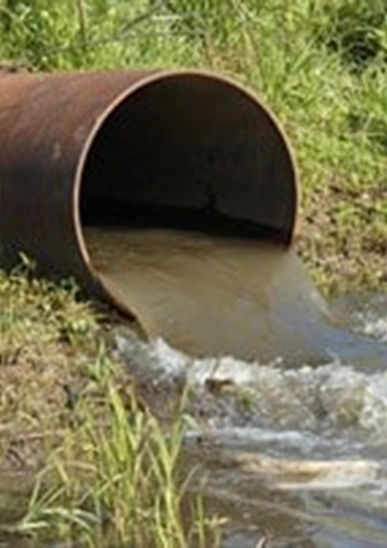
Industrial effluent contains suspended solids, oils/grease, dissolved organics, chemicals, and pathogens, which—if untreated—can:
Harm water bodies and ecosystems
Violate CPCB/SPCB norms for BOD, COD, and TSS
Accumulate sludge and cause costly maintenance issues
An effective ETP protects public health, conserves water, and supports sustainability.
Custom Solutions: We tailor ETP designs to your effluent characteristics, flow rates, and reuse goals
Full-Service Delivery: From pre-engineering and civil work to installation, training, and ongoing AMC support
Compliance & Efficiency: Our systems ensure consistent compliance with reduced O&M costs
Technology Support: Biological solutions using ASP, MBBR, SBR, or MBR depending on space and water quality needs
Compliance with CPCB and SPCB standards
Customized designs based on effluent characteristics
Compact, modular, and skid-mounted options available
Cost-effective operations with optimized chemical usage
High removal efficiency of BOD, COD, TDS, and other pollutants
Reuse of treated water for non-potable applications like cooling or irrigation
Our ETP systems are tailored to meet the needs of:
Textile & Dyeing Units
Pharmaceuticals & Chemicals
Food & Beverage Processing
Paints & Petrochemicals
Engineering, Auto, and Metal Industries
Detergents, Soap & Cosmetics